Pawlo
PawloDog Feeding Schedule: How to Build One Your Whole Household Actually Follows
A consistent dog feeding schedule is critical for your dog's health and behavior. Here's how to build one that every member of your household will actually stick to.
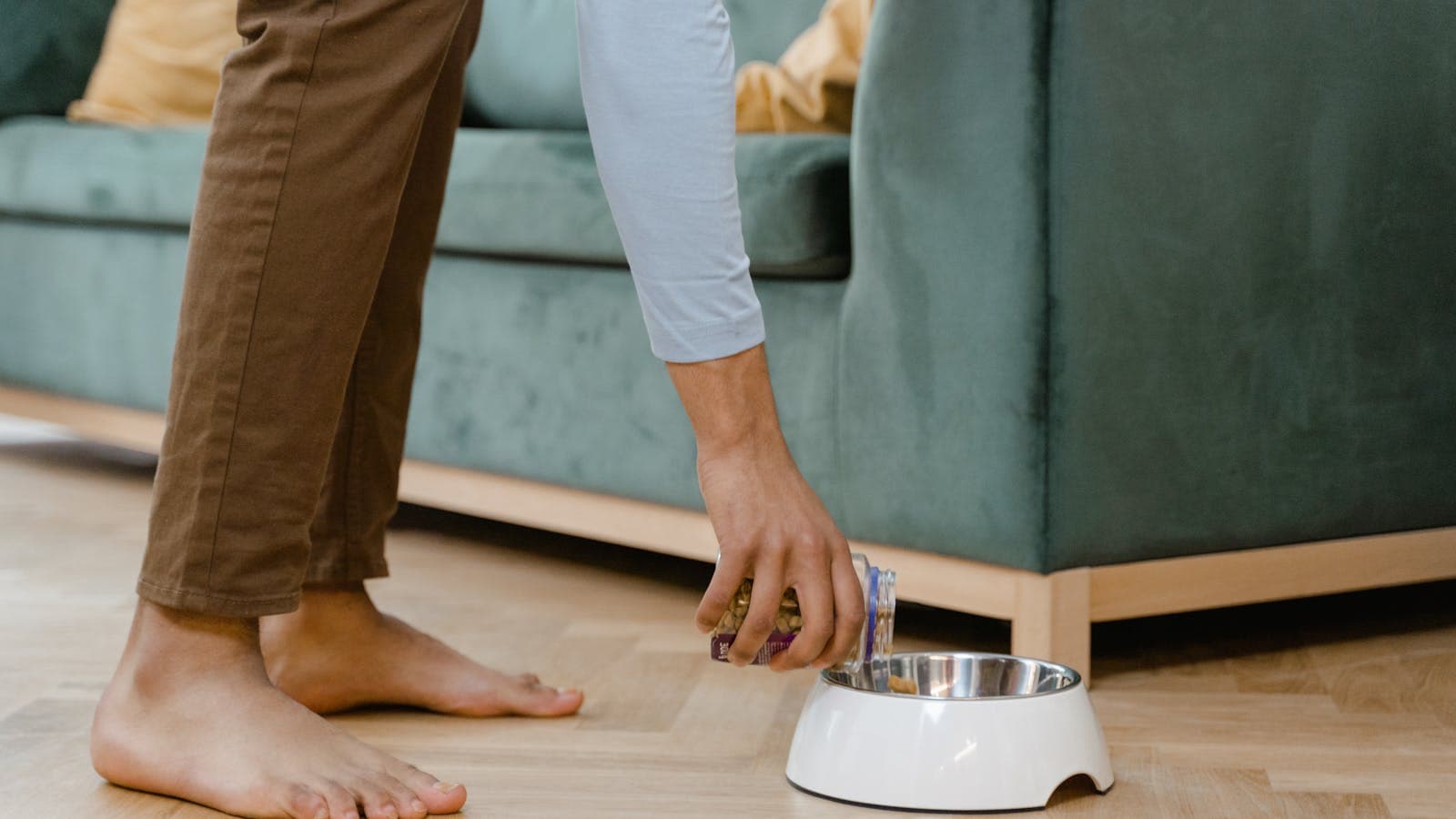
Dogs thrive on routine. A consistent feeding schedule improves digestion, supports a healthy weight, makes housetraining easier, and reduces anxiety-driven behaviors. Most dog owners know this. Implementing it in a multi-person household — where two, three, or four people share feeding responsibility — is where things tend to break down.
The schedule exists in theory. In practice, it lives in everyone's head slightly differently, and dogs get fed at 6 AM on some days and 9 AM on others, depending on who's home.
Two free tools make the rest of this article concrete: the dog food portion calculator works out how much goes in the bowl, and the printable “who fed the dog?” chart is the paper version of the shared record described below.
Pawlo is the free family pet care app — kids check off their tasks, parents see it happen, nothing gets done twice. →
Why Inconsistency Happens in Multi-Person Households
A feeding schedule works when one person owns it entirely. When responsibility is shared, three failure modes appear:
Double-feeding: Person A feeds the dog before work. Person B gets home an hour later, doesn't see any evidence that the dog was fed, and feeds him again. The dog is delighted. This is bad for his stomach, his weight, and his training — dogs who figure out that looking hungry gets them extra meals become experts at looking hungry.
Missed meals: Both people assume the other one handled it. Neither did. This is less common but happens — particularly during busy weeks or schedule disruptions.
Schedule drift: Feeding times gradually shift to accommodate whoever's home. Morning feed slides from 7 AM to 9 AM. Evening feed moves around the dinner hour. The dog's internal clock adjusts, and so do his expectations — which creates problems when the schedule needs to snap back to normal.
Building a Schedule That Holds
Step 1: Pick Fixed Times and Stick to Them
For most adult dogs, two meals per day works well — morning and evening, roughly 10–12 hours apart. Puppies may need three or four meals. Whatever your vet recommends, choose specific times and treat them like commitments, not targets.
Example: 7:00 AM and 6:30 PM. Not "morning" and "evening." Specific times your household can plan around.
Step 2: Assign Responsibility — But Build in Flexibility
Designating a "primary feeder" for each meal reduces ambiguity on normal days. But life is unpredictable — people travel, schedules shift, kids have events. The system needs to handle handoffs gracefully.
The key is visibility. Whoever ends up feeding the dog needs to communicate it clearly, and whoever was supposed to do it needs to know they're off the hook. This is where most informal systems (texts, sticky notes) start breaking down.
Step 3: Track Completions, Not Plans
The most important habit you can build into your household's feeding schedule isn't remembering to feed the dog — it's logging when it's done. A completed log entry tells everyone in the household that the task is handled. An empty log tells them it's not.
This is the insight behind Pawlo, a shared pet care app designed for exactly this. When any household member marks "Morning Feed" as complete in Pawlo, every other member sees it in real time — time-stamped and attributed to the person who did it. No text needed. No guessing. The double-feeding problem disappears.
Step 4: Build in Accountability With Streaks
Pawlo tracks your household's feeding streak — the number of consecutive days all daily tasks have been completed on schedule. This feature sounds minor and works surprisingly well in practice. Households report that streak visibility creates a gentle competitive dynamic that makes people less likely to let tasks slide.
A 30-day feeding streak is a meaningful signal: your dog has been fed consistently, on schedule, every day for a month. That's the kind of routine that produces real behavioral and health benefits.
Step 5: Add Reminders for Missed Windows
With Pawlo, you can set smart reminders — push notifications that fire if a task hasn't been completed by a certain time. If the evening feed hasn't been logged by 7 PM, everyone in the household gets a nudge. It's the safety net for the days when everyone is busy and everyone assumed someone else handled it.
A Note on Meal Amounts
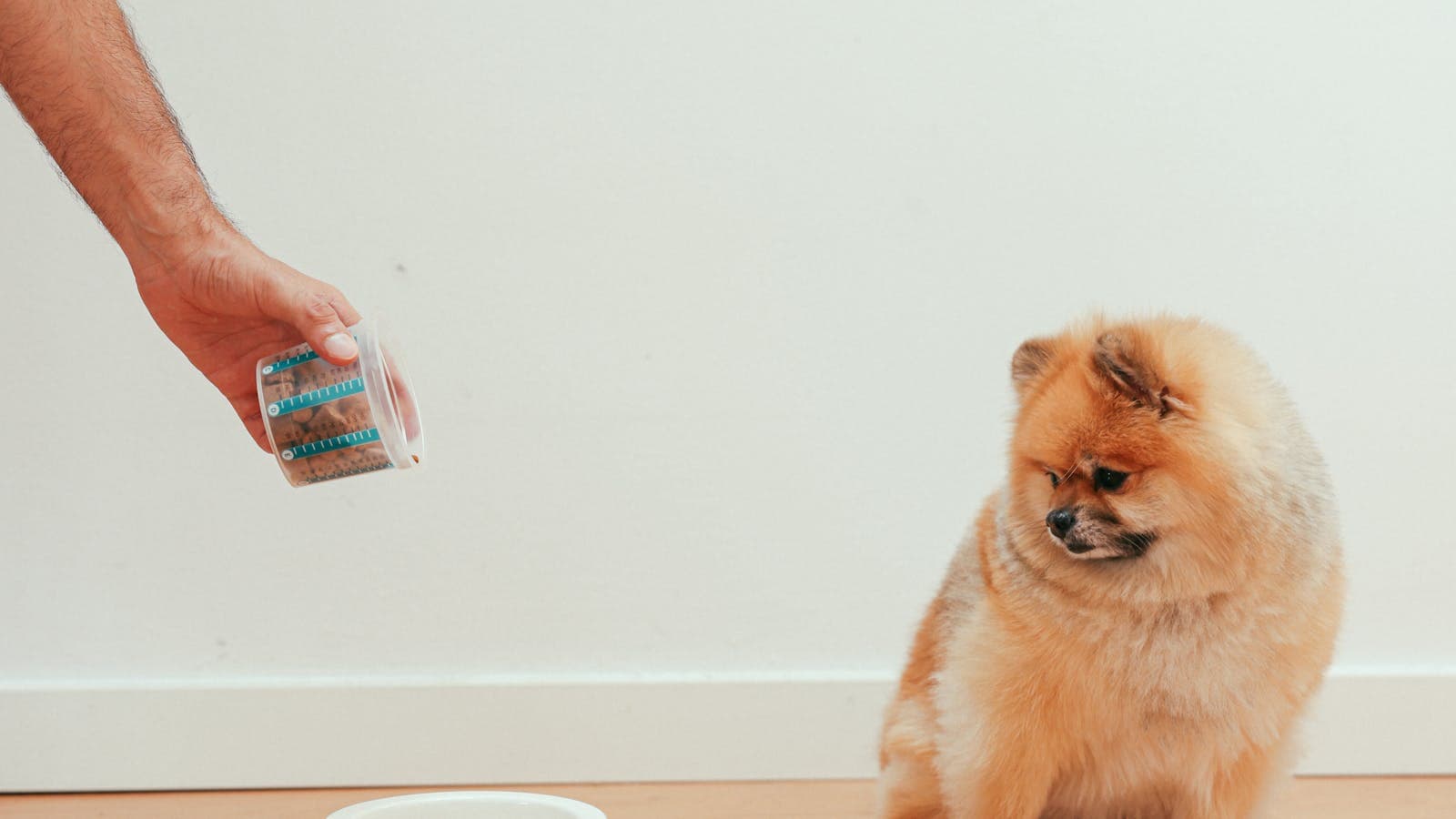
A feeding schedule is only part of the equation. Work with your vet to determine the right portion size for your dog's age, weight, and activity level. Measure portions rather than eyeballing — and make sure the whole household is using the same measurement. Double-feeding is dangerous partly because of timing, but equally because of volume.
The System That Works
The households that maintain consistent feeding schedules aren't the ones with the best intentions — they're the ones with the best systems. A shared tracker like Pawlo, combined with fixed meal times and clear household expectations, turns a coordination problem into a solved problem.
Your dog doesn't care who feeds him. He just wants it to happen at the same time every day, every day. Give him that, and you'll see the difference.
Related pet care guides
Frequently asked questions
How often should most adult dogs be fed?
Most adult dogs do well with two meals per day, usually morning and evening, but your veterinarian can recommend the right timing and portion size for your dog.
How do you prevent double-feeding in a family?
Use one shared feeding log that updates immediately when anyone feeds the dog. Pawlo shows the completed feeding task, who did it, and the timestamp.
Should feeding schedules be tracked by task or by person?
Track the completed feeding task first, then show who handled it. That gives the whole household a clear answer without forcing one person to own every meal.
Ready to stop wondering who fed the pet?
Pawlo is free — no subscription, nothing locked. Get your whole household in sync today.
Download on the App Store →