Pawlo
PawloHow Often Should You Walk Your Dog? A Realistic Guide for Busy Owners
The answer depends on your dog's age, breed, and health — but also on your actual schedule. Here's an honest guide to dog walking frequency, with solutions for households that share the responsibility.
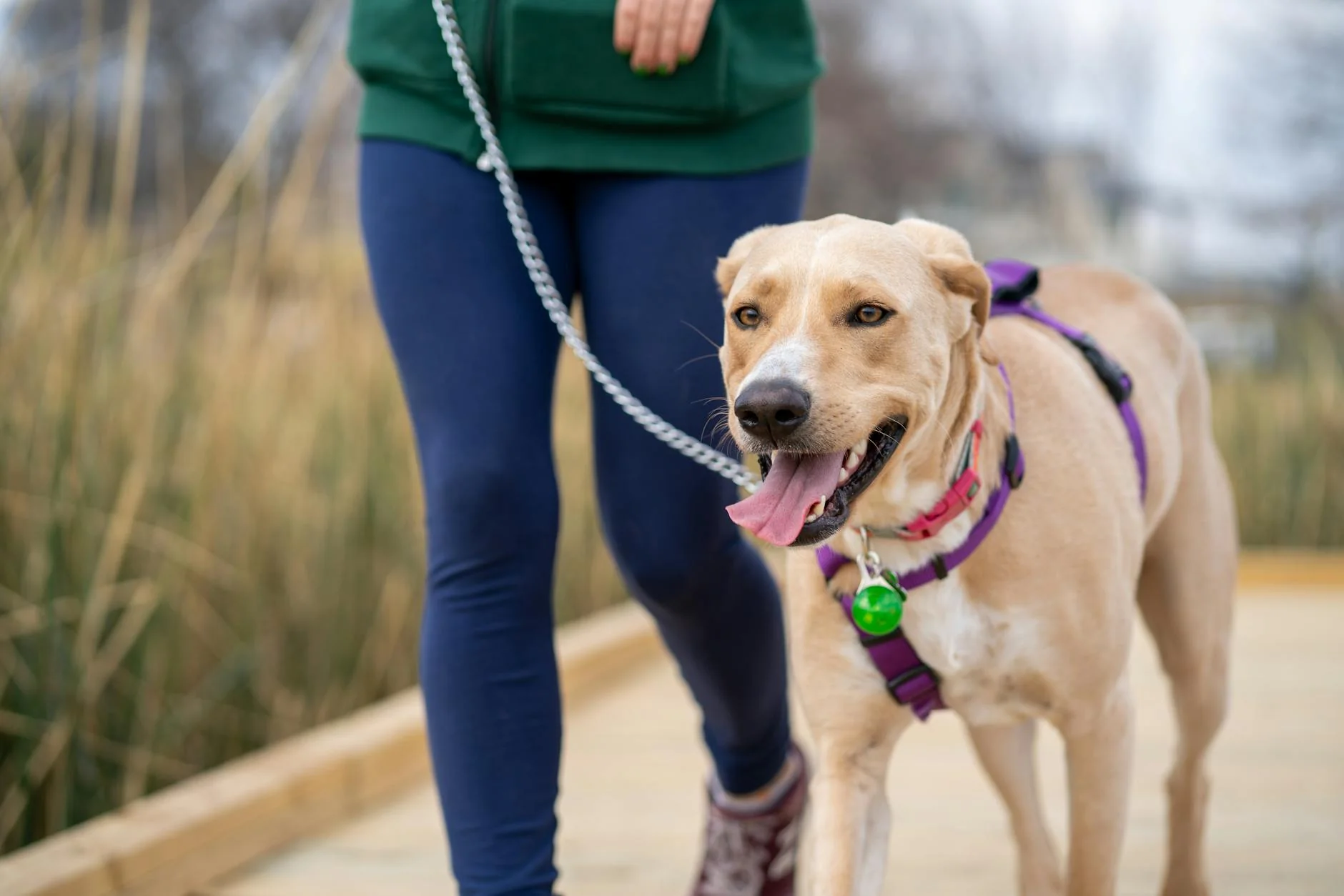
The most common answer you'll find online is "at least twice a day." The most honest answer is: it depends, and the gap between what your dog needs and what you're actually doing is worth understanding.
Dog walking frequency is one of those topics that generates strong opinions, genuine guilt, and a lot of Reddit threads from dog owners asking if they're ruining their dog. Most of them aren't. But most dogs would benefit from more than they're getting — and most households struggle less with the frequency itself than with the coordination of actually making it happen consistently.
Pawlo is the free shared pet care app for roommates — one synced list for the whole apartment, receipts on every task. →
The Baseline: What Dogs Actually Need
Before the household logistics, let's start with the animal's actual requirements.
By Life Stage
Puppies (8 weeks – 6 months): Frequent but short. Puppies can't sustain long walks on developing joints, but they need to go outside constantly — both for housetraining and for exposure to the world. The rule of thumb: five minutes of structured exercise per month of age, up to twice a day. So a four-month-old puppy can handle roughly 20 minutes of walking per session. Potty trips add to this but are shorter and more purpose-driven.
Adolescent dogs (6 months – 2 years): High energy, high need. This is the stage most owners find most challenging — dogs are physically capable of significant exercise and behaviorally need it to avoid destructive outlets. Three to four walks per day is not unreasonable for many breeds in this stage.
Adult dogs (2–7 years, varies by breed): Two to three walks per day for most breeds, with at least one longer outing (30 minutes or more) per day. High-energy breeds like border collies, huskies, and vizslas need significantly more. Brachycephalic breeds (bulldogs, pugs) overheat easily and need shorter, more frequent trips.
Senior dogs (7+ years, varies): Shorter but still regular. Senior dogs need less intense exercise but more frequent short outings for joint health and to accommodate decreased bladder capacity. A dog that could hold it eight hours at age three may need to go out every four hours at age ten.
By Breed
Breed is arguably the bigger variable. A greyhound can be perfectly happy with two moderate walks a day and will sleep the rest of the time. A working-breed dog — your Australian shepherds, your Siberian huskies, your Belgian malinois — were bred to work all day and will not be satisfied with a stroll around the block twice a day. They'll redecorate your couch instead.
Know your breed's original purpose. Herding breeds need to move and think. Sporting breeds need to run. Companion breeds are more flexible. If you're getting a dog whose energy level genuinely doesn't match your lifestyle, that's a conversation worth having before adoption, not after.
The Reality: What Most Owners Are Actually Doing
Surveys of dog owners consistently show a gap between recommended walk frequency and actual practice. Busy schedules, weather, shared responsibility confusion, and the genuine friction of a twice-daily commitment create a pattern where many dogs get less outdoor time than they need — not because their owners don't care, but because the system breaks down.
The three most common failure patterns:
The morning rush skip. Work is early. The walk gets cut to a quick potty trip and a promise that the evening walk will be longer. The evening walk also gets shortened because it's been a long day.
The shared household assumption gap. Two people share walking responsibility. Each assumes the other handled a midday walk. No one actually went. The dog has been inside for ten hours.
The weekday/weekend split. Dogs get long walks on weekends and inadequate outings during the week. This is better than nothing but creates a pattern of under-exercise followed by over-exercise that can actually cause injury.
Building a Walking Schedule That Holds
The best walking schedule is the one that consistently happens, not the aspirational one that relies on everything going perfectly. Start from your actual week, not your ideal week.
The Two-Person Household Model
If two people share a dog, the most durable division is by time of day, not by day of the week. Whoever is home in the morning handles morning walks. Whoever is home in the evening handles evening walks. Midday — if needed — is a shared negotiation or a dog walker.
This approach is more resilient than a weekday/person split because it doesn't collapse when one person travels, works late, or has an unusual day.
Minimum vs. Target
For planning purposes, define two numbers for your dog: a minimum acceptable walk day, and a target day. On a minimum day, your dog gets two 15-minute outings — enough for elimination and basic stimulation, not enough for real exercise. On a target day, they get a 30-minute morning walk, a midday relief trip, and a 30-minute evening walk.
Tracking this over a week gives you an honest picture. If you're hitting minimums consistently, that's a livable baseline. If you're consistently below minimums, that's a behavioral and health problem in the making.
Solutions for Busy Households
Dog Walkers and Daycare
If your work schedule genuinely prevents adequate midday walks, a professional walker or a few days per week of doggy daycare is worth the expense. Treat it as a cost of responsible dog ownership for your specific lifestyle, not a luxury. Many dogs with adequate weekday exercise are dramatically calmer and better-behaved than dogs who are under-stimulated five days a week.
Mental Exercise as a Supplement
Physical walks are irreplaceable, but mental exercise — training sessions, puzzle feeders, nose work — can supplement when walks are shorter than usual. A ten-minute training session that makes a dog think is not a substitute for a walk, but it does take the edge off a high-energy dog waiting for their people to get home.
The Coordination Problem
In multi-person households, the frequency problem is often secondary to the coordination problem. You're not walking the dog less because you don't have time — you're walking the dog less because neither person is sure whether it happened, so the default is to assume it did.
This is exactly what Pawlo solves. When one person completes a walk, they tap it in the app. Everyone in the household sees it immediately: "Evening Walk — completed by Jamie at 6:47 PM." The "did someone walk him?" question stops being asked because the answer is always visible. That visibility alone closes most of the gap between what households intend to do and what actually happens.
Pawlo's care history also surfaces something useful: who's actually doing most of the walking over time. It tends to be less surprising than you'd hope, but it gives both people the same data — which makes it a conversation about logistics rather than a fight about effort.
Signs Your Dog Isn't Getting Enough Walking
Your dog will usually tell you before the vet does:
- Destructive behavior. Chewing things they've ignored for years, digging, rearranging the furniture with their nose. Pent-up energy goes somewhere.
- Restlessness and pacing. A dog who can't settle, paces the house, or follows you from room to room is often an under-exercised dog.
- Excessive attention-seeking. Nudging, whining, bringing you toys constantly — a dog's way of initiating interaction when what they really want is out.
- Weight gain. Less obvious as a short-term signal, but chronic under-exercise combined with normal feeding amounts is a reliable path to an overweight dog.
- Reactivity. Dogs who are under-exercised often become more reactive on leash — more barking, more pulling, more difficulty focusing. Exercise doesn't fix reactivity, but inadequate exercise reliably makes it worse.
The Honest Answer
How often should you walk your dog? More than you probably are, for most dogs. The target for most adult dogs is at least two solid walks per day, with a short midday trip making three — but the number matters less than the consistency and the actual time outside.
A dog who gets two reliable 25-minute walks every single day will be healthier and better-behaved than a dog who gets an ambitious 90-minute trail hike on weekends and sporadic rushed outings on weekdays. Routine beats occasional intensity every time.
Set a realistic schedule. Split the responsibility clearly if you share a dog. Track completions so the coordination gap closes. And when the answer to "did someone walk the dog?" is always one tap away, you'll find it gets asked a lot less often.
Related pet care guides
Frequently asked questions
How often should you walk your dog?
Most adult dogs need at least 2–3 walks per day. High-energy breeds or younger dogs may need 4 or more. A good rule of thumb: two daily walks of 20–30 minutes, plus one shorter relief trip.
Is one walk a day enough for a dog?
One walk a day is generally not enough for most dogs. Dogs need both physical exercise and the mental stimulation of outside smells and environments. Most dogs benefit from at least 2–3 outings per day.
How do couples or roommates track who walked the dog?
A shared pet care app like Pawlo lets anyone in the household mark a walk complete, with a timestamp visible to everyone. This eliminates the daily guessing about whether the dog has been out.
What happens if a dog doesn't get walked enough?
Under-exercised dogs often show behavioral problems: destructive behavior, excessive barking, anxiety, and restlessness. Regular walks also support physical health, joint function, and weight management.
Ready to stop wondering who fed the pet?
Pawlo is free — no subscription, nothing locked. Get your whole household in sync today.
Download on the App Store →