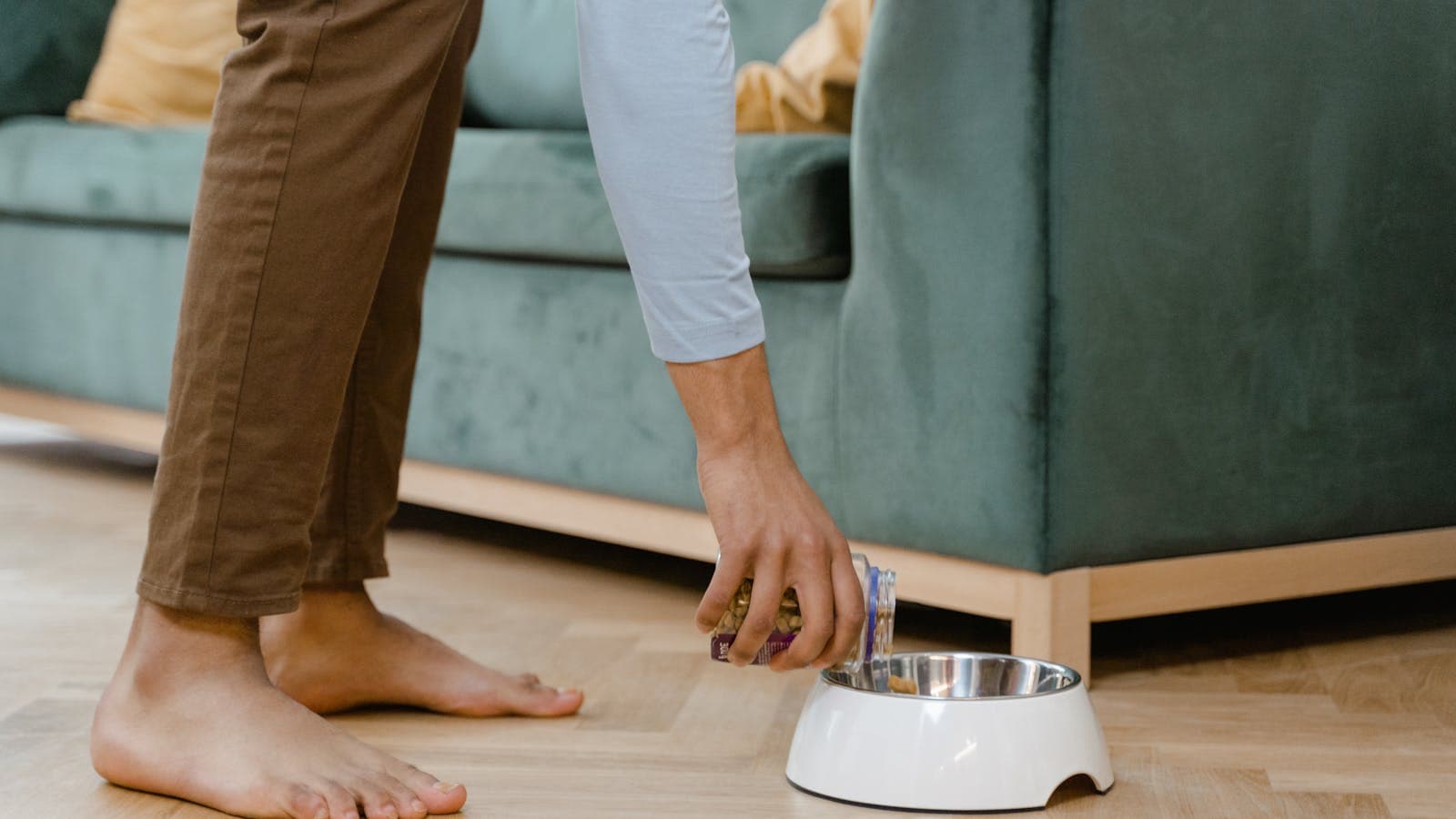
Pawlo
PawloPet Sitter Instructions Checklist: What to Leave Before You Travel
Leaving your pet with a sitter is only stress-free if they have the right information. Here's a complete checklist of everything to leave behind before you travel.
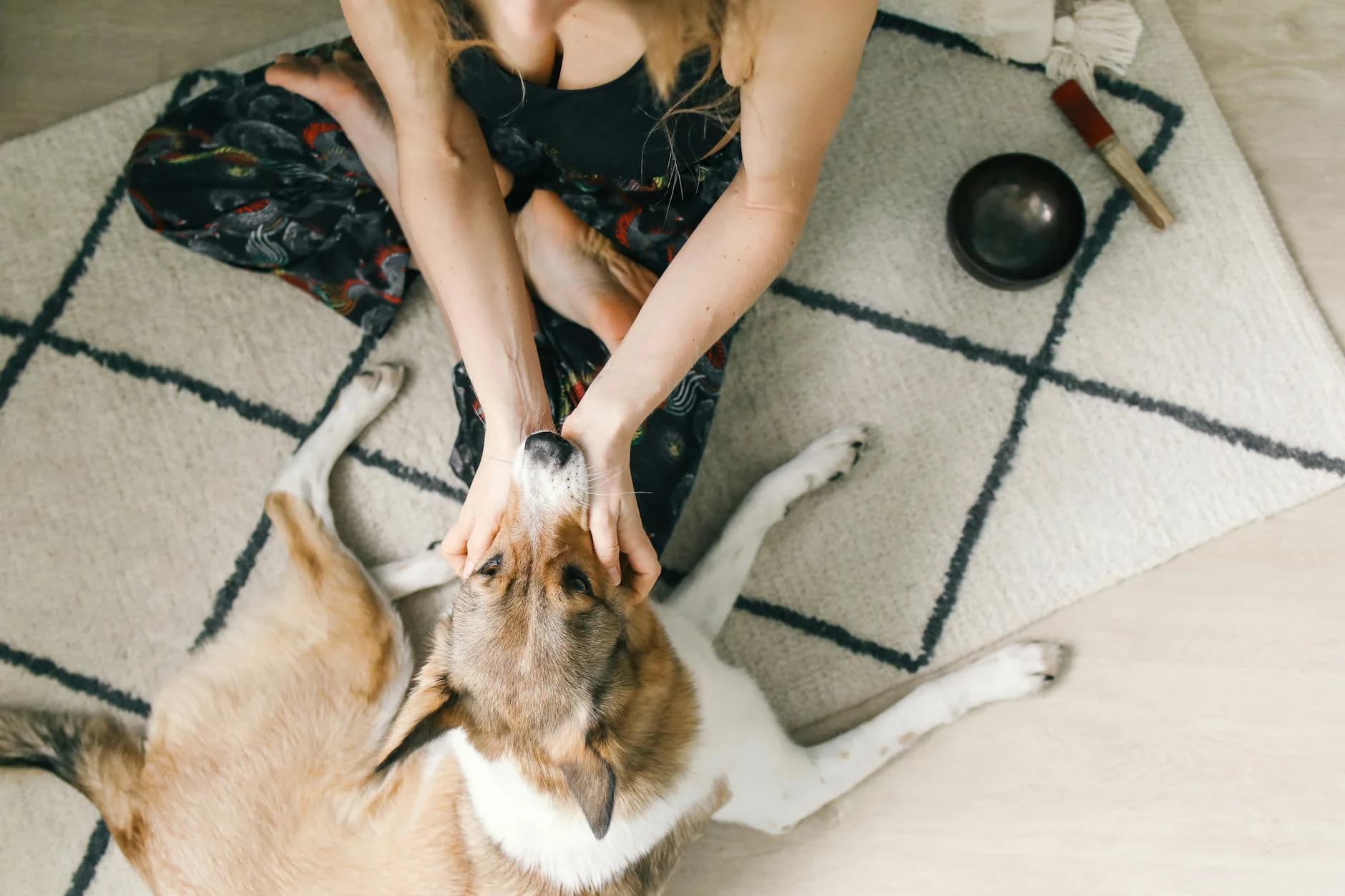
The anxiety of traveling while leaving a pet behind has a direct cure: information. Not a wall of text on the counter that no one reads, but clear, organized instructions covering every scenario your sitter might face.
Most pet owners under-prepare. They leave a bag of food, a phone number, and an "she's pretty easy, just feed her twice a day." Then they spend the first two days of vacation answering texts about where the leash is and whether the dog is supposed to have that much food.
Over-preparing takes thirty minutes and saves everyone a vacation's worth of anxiety. Here's what to include.
In a hurry? Our free pet sitter instructions sheet has all of this as fill-in fields you can print — the placeholders show what a good answer looks like, so you can see what you've forgotten.
Pawlo is the free family pet care app — kids check off their tasks, parents see it happen, nothing gets done twice. →
Part 1: Feeding
Feeding instructions are the most important and the most commonly messed up. Be specific:
- Food location. Where is it stored? If it's in a sealed container, where is the scoop?
- Exact portion size. "A cup and a half" is better than "fill the bowl." Better still: measure it yourself and show them the amount once before you leave.
- Feeding times. Not "morning and evening" but "7 AM and 6 PM." Your pet's digestive system runs on a clock.
- Any food restrictions. Allergies, no table scraps, no rawhide, not allowed to beg at the table. Be explicit — your sitter doesn't know your house rules.
- Water. Where is the bowl? Does it need to be refilled daily? Does your pet have a fountain that needs to be kept filled?
- Treats. Are they allowed? How many per day? Any treats that are off-limits?
If you have multiple pets, write separate feeding notes for each. Multi-pet feeding is complicated enough when you live there — it's genuinely confusing for someone who doesn't know your animals.
Part 2: Medications
Medication instructions deserve their own section, not a line buried in the feeding notes. For each medication:
- Name of the medication. Both the brand name and the generic if you know it.
- What it's for. This matters — a sitter who knows it's a seizure medication will treat a missed dose differently than one who doesn't know what the pill does.
- Dose. How many tablets, what volume of liquid, which sized pill.
- Timing. Exact time. Twice daily means 12 hours apart, not "morning and evening whenever."
- How to administer it. In food? In a pill pocket? Directly? Does your pet resist? What trick actually works?
- What to do if a dose is missed. Some medications require a call to the vet before re-dosing. Others can be given when remembered. Write the specific guidance, or call your vet ahead of time and write down what they say.
- Storage requirements. Some medications need refrigeration. Some need to be kept dry. Don't assume your sitter will check.
For sitters you trust but don't know well, consider using Pawlo to add them as a household member temporarily. They can log each medication dose as they give it, and you can see from your phone whether doses are being completed — without having to text them every day to check. It also creates a timestamped record you can share with your vet if needed.
Part 3: Walks and Exercise
- How many walks per day and roughly when. Be honest about your dog's actual needs, not a best-case scenario. If your dog needs three solid walks a day, say so.
- Walk length. "Around the block" is very different from "30 minutes." Be specific.
- Leash behavior notes. Does your dog pull? Lunge at other dogs? Get reactive on the leash? Warn them — being surprised by a reactive dog is how sitters and dogs both get hurt.
- Usual route or acceptable areas. Some dogs do better on familiar routes. If there are dog parks, off-leash areas, or specific paths you allow or avoid, say so.
- Potty cues. What does your dog do when they need to go? Sniffing circles, pacing, heading to the door? First-time sitters won't know.
- Harness or collar? Which one is the walking equipment? Where is it?
For cats: outdoor access, if any — does your cat go outside? Is there a schedule? A cat door? If strictly indoor, write that explicitly. Cats are escape artists and a sitter who isn't warned may accidentally let them out.
Part 4: Behavioral Notes
This is the section most people skip and most sitters need. Your pet has quirks that you navigate automatically without thinking. Your sitter is encountering them without context.
- Anxiety triggers. Thunderstorms? Fireworks? Men with hats? People arriving at the door? Let the sitter know what sets your pet off and what helps.
- Food guarding or resource guarding. If your dog growls around their bowl or toy, say so clearly. This is a safety issue.
- Where they sleep. Are they allowed on furniture? Do they sleep in a crate? Does the crate door stay closed?
- Separation anxiety signals. Will they bark for hours? Destroy things? Or settle quickly? What typically helps?
- Interaction preferences. Does your cat hate being picked up? Does your dog get overstimulated by extended play? Does your pet need a quiet period after activity?
- Other pet dynamics. If you have multiple animals, note any that don't get along, can't be fed together, or need to be separated at certain times.
Part 5: Emergency Information
This section is the one your sitter hopes they never need and will be extremely grateful to have if they do.
- Your vet's name, address, and phone number.
- After-hours or emergency vet. Know this before you leave. Don't make your sitter google it at midnight.
- Your phone number and the best times to reach you. If you're crossing time zones, note what "after 9 PM" means in which time zone.
- A backup contact. Someone local who knows your pet and can step in if your sitter has an emergency.
- Known health issues. Anything the vet would need to know in an emergency — prior surgeries, current conditions, known allergies to medications.
- Authorization for emergency care. In writing, state that your sitter has authority to authorize veterinary treatment up to a specific dollar amount without reaching you. This removes a painful decision from an already stressful moment.
Part 6: Household Logistics
The practical stuff that gets forgotten:
- Wi-Fi password.
- Alarm code, if applicable. Which doors set it off? What's the grace period?
- Trash day. If they're staying multiple days, this matters.
- Mail/packages. Do they need to bring anything in?
- Any household rules. No shoes inside? Guest bathroom only? Lock the back gate?
- Parking. Where do they park if they're staying or coming multiple times per day?
The Shared Tracker Advantage
A written instructions sheet covers the setup. What it doesn't solve is ongoing visibility — knowing, from wherever you are, whether your pet has been fed today, whether the medication was given, whether the walk happened.
The cleanest solution is adding your sitter to your Pawlo household before you leave. Share an invite link, show them the task list once, and from that point you can check the app from your hotel room and see exactly what's been completed and when. No texts needed. No daily check-ins. If something's overdue, you'll see it. If everything's done, you can actually relax.
After the trip, remove them from the household — it takes one tap. The history of their care is saved if you ever need it.
How to Leave the Instructions
Print a physical copy and leave it somewhere visible — on the counter, on the fridge, near the food. Also send the same information digitally so they can search it on their phone. Cover both formats.
Walk through the instructions with your sitter in person before you leave, ideally at least a day ahead so there's time for questions. Don't brief them at the door while you're loading the car. The thirty minutes you spend on a proper handoff is worth more than any checklist.
The goal is a sitter who never has to guess. Every question they don't have to text you is a vacation you actually get to have.
Related pet care guides
Frequently asked questions
What information should I leave for a pet sitter?
Leave feeding schedule and portions, medication details with exact timing, walk routine, emergency vet contact, behavioral notes, household access instructions, and a way to reach you.
How do I make sure a pet sitter doesn't miss medications?
Write down the medication name, dose, timing, and how to administer it. Set up a shared tracker like Pawlo so both you and the sitter can see whether each dose was completed.
Should I leave my pet sitter access to a pet care app?
Yes. Apps like Pawlo let you add a sitter to your household temporarily so you can see exactly when they fed, walked, or medicated your pet — from wherever you are.
Ready to stop wondering who fed the pet?
Pawlo is free — no subscription, nothing locked. Get your whole household in sync today.
Download on the App Store →