Pawlo
PawloWhy Is My Dog Not Eating? Common Causes and When to Worry
A dog skipping meals can mean nothing — or something. The common causes of appetite loss, the household blind spot most owners never check, and the red flags that mean call the vet today.
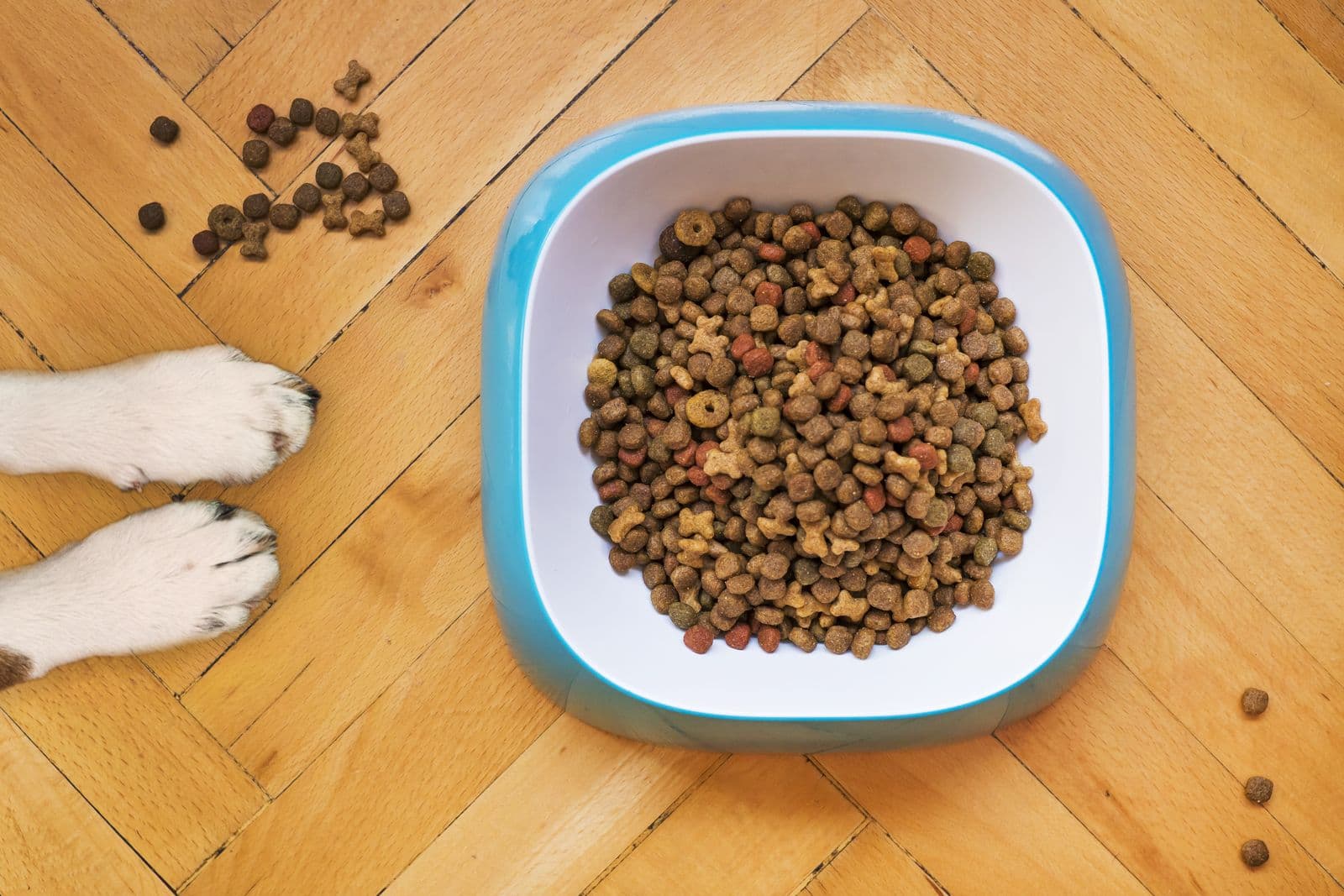
A dog ignoring his bowl triggers a very specific spiral of worry — because he can't tell you whether it's nothing or something. Here's a level-headed way through it: the innocent explanations to rule out first, the medical causes, and the red flags that mean stop reading and call the vet.
Pawlo is the free family pet care app — kids check off their tasks, parents see it happen, nothing gets done twice. →
First: the red flags (check these before anything else)
Call your vet promptly — today, not this weekend — if the appetite loss comes with any of:
- Vomiting or diarrhea, especially repeated
- Lethargy — genuinely flat, not just relaxed
- Signs of pain: hunched posture, reluctance to move, guarding the belly
- Trying to eat but stopping — pawing the mouth, dropping food (often dental)
- No water intake either
- It's a puppy, senior, small breed, or a dog with a health condition — they don't have the reserves to skip meals safely
For an otherwise-normal adult dog acting fine, most vets consider 24–48 hours of true food refusal the line where a checkup stops being optional.
The innocent explanations (surprisingly common)
1. He's already eaten — you just don't know it
The most under-checked cause in multi-person households: someone else fed the dog. A second breakfast, a generous training session, a grandparent's table diplomacy — and now "he won't eat dinner" is actually "he's full." Before anything else, literally ask everyone in the house what the dog ate today. If nobody's sure, that's its own problem worth fixing (a shared feeding log like Pawlo makes today's intake a fact you look up, not a debate — which also turns out to be the first thing your vet asks for).
2. It's hot
Dogs reliably eat less in heat waves. If it's July, he's otherwise normal, and dinner is going half-finished, the weather is a legitimate suspect.
3. The food changed — or got old
New bag, new formula, or a bag that's been open long enough to go stale (fats oxidize; dogs notice). Check dates, seal bags properly, and transition foods gradually over a week.
4. Treat inflation
Enough treats and chews during the day and the bowl becomes the boring option he can afford to skip. Audit the real daily intake — across every human he's trained to dispense snacks.
5. Stress and change
Moves, new pets, new baby, a household member traveling, construction noise — appetite is often the first thing disruption takes. This usually resolves in a few days as the dog recalibrates.
6. Learned pickiness
If refusing kibble reliably produces chicken and rice, your dog has not lost his appetite — he has successfully renegotiated the menu. The fix: offer the normal meal for 15–20 minutes, lift it, and offer it again at the next mealtime. A healthy adult dog will not out-stubborn this for long (consistency across the whole household required — one soft-touch defector resets the training).
The medical causes
When the innocent list doesn't fit: dental disease (extremely common and underdiagnosed — check for bad breath and one-sided chewing), nausea and GI upset, pain anywhere in the body, infections, medication side effects (did a new med start recently?), and more serious internal illness. This is vet territory — the point of the innocent list is to rule things out quickly, not to delay the call.
What to bring the vet
The first questions will be: when did he last eat normally, how much has he actually eaten since, any meds given, anything unusual swallowed? Households with a shared care log can answer all four precisely — "he ate 2/3 of Tuesday dinner, skipped Wednesday breakfast, had his heartworm chew Monday at 6 pm." That precision genuinely changes what the workup looks like.
This article is general information, not veterinary advice. When in doubt, call your vet — appetite loss is one of the few symptoms where being over-cautious is never the wrong call.
Related pet care guides
Frequently asked questions
When should I worry about my dog not eating?
Call your vet if a healthy adult dog refuses all food for more than 24–48 hours, or sooner if there's vomiting, diarrhea, lethargy, or pain. Puppies, seniors, small breeds, and dogs with health conditions can't safely skip meals that long — for them, call the same day.
Why is my dog not eating but still drinking water?
Drinking normally while refusing food often points to nausea, dental pain, or stress rather than serious systemic illness — but it's not a guarantee. If it lasts beyond a day, or comes with any other symptom, have your vet take a look.
Could my dog be skipping dinner because someone else fed him?
It's one of the most common and least-checked explanations in multi-person households. A dog who got a second breakfast, extra treats, or table scraps from another family member isn't sick — he's full. Before worrying, ask everyone in the house what the dog actually ate today.
Ready to stop wondering who fed the pet?
Pawlo is free — no subscription, nothing locked. Get your whole household in sync today.
Download on the App Store →